Why Small-Batch Fragrance Is One of Australia's Fastest Growing Side Businesses
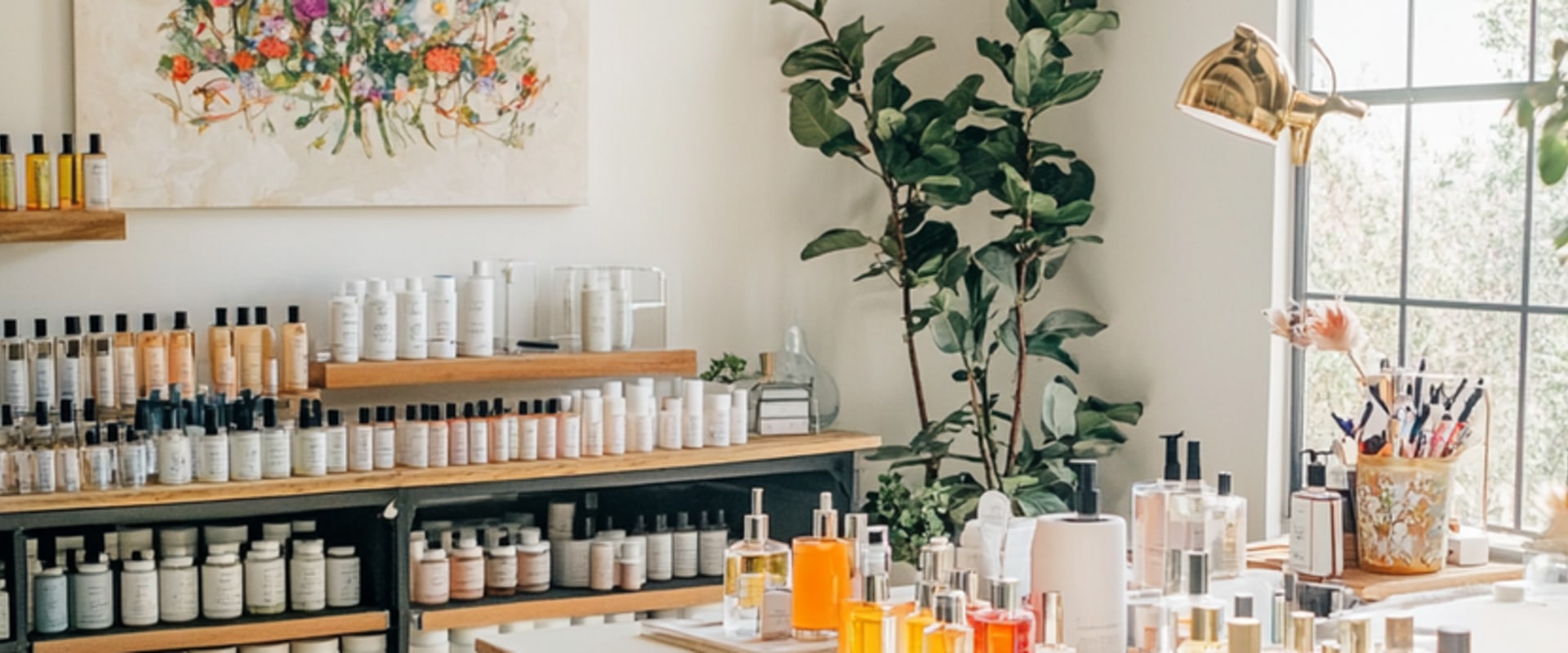
Five years ago, if someone told you they were starting a fragrance brand from their spare room, you'd have been sceptical. The barrier to entry seemed too high — the chemistry, the suppliers, the regulatory requirements, the branding. Today, that same person is probably turning over six figures.
The small-batch fragrance sector in Australia has grown significantly, driven by a convergence of factors that didn't exist a decade ago: accessible global supply chains for aromachemicals and raw materials, direct-to-consumer e-commerce platforms, and a consumer base that has become genuinely interested in fragrance as a craft rather than just a product category.
From hobbyist to commercial operation
The trajectory for most successful indie fragrance businesses follows a similar arc. It starts with personal curiosity — usually someone who becomes obsessed with perfume, starts experimenting with raw materials, and develops formulas they're genuinely proud of. Then comes the realisation that other people want to buy those formulas.
Sydney-based Scent Room is one example of this progression done right. The brand began as a serious exploration of fragrance formulation — sourcing professional aromachemicals, developing original compositions, and reconstructing classic designer scents as extrait de parfum. What makes it commercially interesting is the dual offering: original in-house compositions alongside designer-inspired fragrances, all paired with a home room spray range. It's a smart product architecture that gives consumers multiple entry points to the brand artisan fragrance Australiaartisan fragrance Australia
The economics of small-batch fragrance
Fragrance has attractive unit economics for small operators. Raw material costs — even for high-quality aromachemicals and naturals — are manageable at small batch sizes. The key input is knowledge and formulation skill, which can be developed over time without massive capital outlay. Once you have formulas, production can scale gradually. And because perfume is a consumable, repeat purchase rates tend to be high for brands that get the product right.
Packaging is often where brands overspend early. The instinct is to go premium on the bottle immediately, but the smarter approach is to nail the formula first, build a customer base, and let product revenue fund the packaging upgrade.
What buyers and investors look for
As more indie fragrance businesses reach a scale where they attract acquisition interest or seek outside capital, the fundamentals that matter most are: repeat purchase rate, average order value, customer acquisition cost, and formula IP. Brands that have developed proprietary formulas — not just white-label reselling — carry significantly higher value. It's the difference between owning an asset and running a resale operation.
The fragrance category rewards patience and genuine craft. The brands that cut corners on formulation or chase trends tend to plateau early. The ones that take the product seriously tend to build something that lasts.